Become a Trip Organiser in India 2026: Costs, Rules, Risks
Already lead treks for a club or plan every weekend for your friends? A worked per-head cost sheet for a Kasol weekend, the GST and state registration rules that apply, what goes wrong, and how hosting on GoWeekender works.


In this guide
- 01Should you become a trip organiser?
- 02A per-head cost sheet for a sample Kasol weekend
- 03What the cost sheet tells you about pricing
- 04Commission, GST and your time
- 05GST and Udyam: what applies at your size
- 06State registration, permits and insurance
- 07Trail rules and vehicles
- 08What goes wrong, and who pays
- 09How hosting on GoWeekender works
- 10Your first paid departure in six steps
- 11Frequently asked questions
- 14 min to go
If you already lead treks for a club or plan every weekend for your friends, people already trust your route calls. To become a trip organiser in India, you also need a price that survives dropouts, the registrations your state asks for, and a plan for the day something goes wrong.
How do you become a trip organiser in India?
Start with one weekend you've led before. Cost it per head at your minimum group size, and collect payment before you book suppliers. GST registration is usually needed only once turnover crosses ₹20 lakh a year, but Himachal requires travel agents and trekking operators to register. Then list your trip where travellers already look.
The short answer
Cost the trip per head at your minimum group size; in the sample Kasol long weekend, a ₹7,000 seat breaks even at nine travellers.
GST registration is usually needed only above ₹20 lakh a year in turnover, but Himachal requires travel agents and trekking operators to register.
On GoWeekender, one platform-wide policy handles refunds, and a cancellation five days out gets no refund.
Supplier advances are your risk when you cancel, so negotiate ones you can move to another date.
Should you become a trip organiser?
Probably yes, if you've led the same route at least twice and can say no to a paying guest. Friends forgive a missed bus. Strangers who paid ₹7,000 won't, and they'll expect a refund policy, a safety plan and someone who answers the phone at 2 am.
Before you sell a seat, check yourself against this list:
You know the route in the season you'll sell it. Kasol in October and Kasol in January are different trips.
You have a backup for every booking. A second homestay, a second driver, a shorter trail if the main one is shut.
You can make the unpopular call. Turning a group back in bad weather is the job, even when they paid for the summit.
You have the time. A Delhi–Himachal long weekend runs from Friday night to Tuesday morning, with two of those nights on overnight buses, plus a week of messages before it.
If two of these are shaky, run one more trip at cost for your club first. It's cheaper than learning on paying travellers.

A per-head cost sheet for a sample Kasol weekend
Price from your minimum group, not your best case. The sheet below is an illustrative example built on stated assumptions. It is not data from any host, and your quotes will differ, so get three of each.
The trip: Delhi to Kasol and Tosh, Friday night to Tuesday morning, with the bus back on Monday evening. Overnight Volvo both ways, a night in Kasol and a night in Tosh, two breakfasts and two dinners. Twelve paying travellers plus you.
Costs that grow with every traveller (per person):
Volvo seats, Delhi–Bhuntar and back: ₹3,000 (assumed ₹1,500 each way; the HRTC Volvo was listed at about that on booking sites in October 2026, per our Kasol group trip guide; check your date on HRTC's booking site)
Stay, two nights in triple-sharing homestay rooms: ₹1,200 (assumed ₹600 a night)
Meals, two breakfasts and two dinners: ₹700
Per person: ₹4,900
Costs the group shares, whatever its size:
Tempo traveller for Bhuntar–Kasol–Tosh–Manikaran transfers: ₹7,000
Local guide for one walking day: ₹1,500
Your own bus seats, bed and meals: ₹4,900
Bonfire wood, first-aid restock, small extras: ₹800
Shared total: ₹14,200
On top of both, add a 5% contingency for a broken-down cab or a homestay that raises its rate after you've quoted.

What the cost sheet tells you about pricing
The Kasol & Tosh Getaway on GoWeekender, a similar three-day trip, was listed from ₹7,000 a head before GST and fees in October 2026, so test the sheet at that price first, then a little above it:
₹7,000, 12 travellers: you spend ₹73,000 plus ₹3,650 contingency, ₹76,650 in all. Seats bring in ₹84,000, leaving about ₹7,350.
₹7,000, 8 travellers: you spend (8 × ₹4,900 + ₹14,200) × 1.05 = ₹56,070 and take ₹56,000, a ₹70 loss. Break-even is nine travellers.
₹7,500, 12 travellers: seats bring in ₹90,000, leaving about ₹13,350.
₹7,500, 8 travellers: you keep about ₹3,930. At six you lose ₹780, so break-even is seven.
If you sell on your own, write your minimum group into your terms and say what happens below it.
Commission, GST and your time
The sheet above leaves out three things that change what you keep:
Commission, at an assumed 10%. Ten per cent is a round number for the maths, not GoWeekender's rate; yours is set in your host agreement. Taken from the seat price, it turns twelve travellers at ₹7,000 into a ₹1,050 loss, and leaves about ₹4,350 at ₹7,500. After that commission, break-even moves to 13 travellers at ₹7,000 and 10 at ₹7,500. Each 1% is ₹70 to ₹75 a seat, plus GST on the commission where it's charged.
GST and fees on GoWeekender. Listed prices are before GST. At checkout the app adds 5% GST and a 2.42% convenience fee, so a ₹7,000 seat costs the traveller about ₹7,350 plus about ₹178. Your payout includes that GST, minus commission on the pre-GST price and, where it's charged, GST on the commission. If you're not GST-registered, ask the team and a chartered accountant how the GST in your payout is treated.
Your time. At ₹7,500 with twelve travellers, about ₹13,000 before commission and income tax, for Friday night to Tuesday morning plus a week of planning.
So at ₹7,000 this sample only works with cheaper supplier rates than assumed here, or a bigger group. Get real quotes before you set your price.

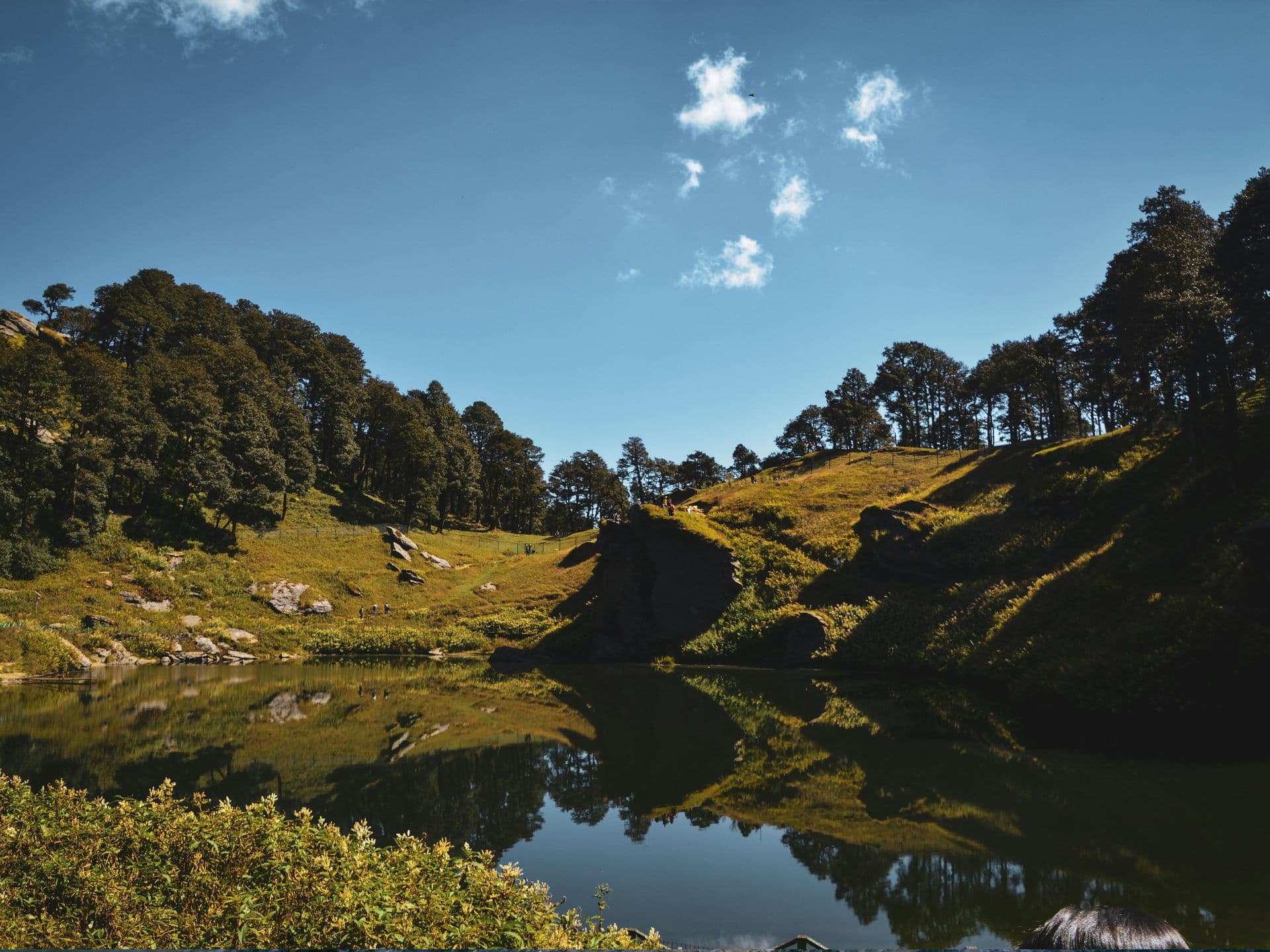
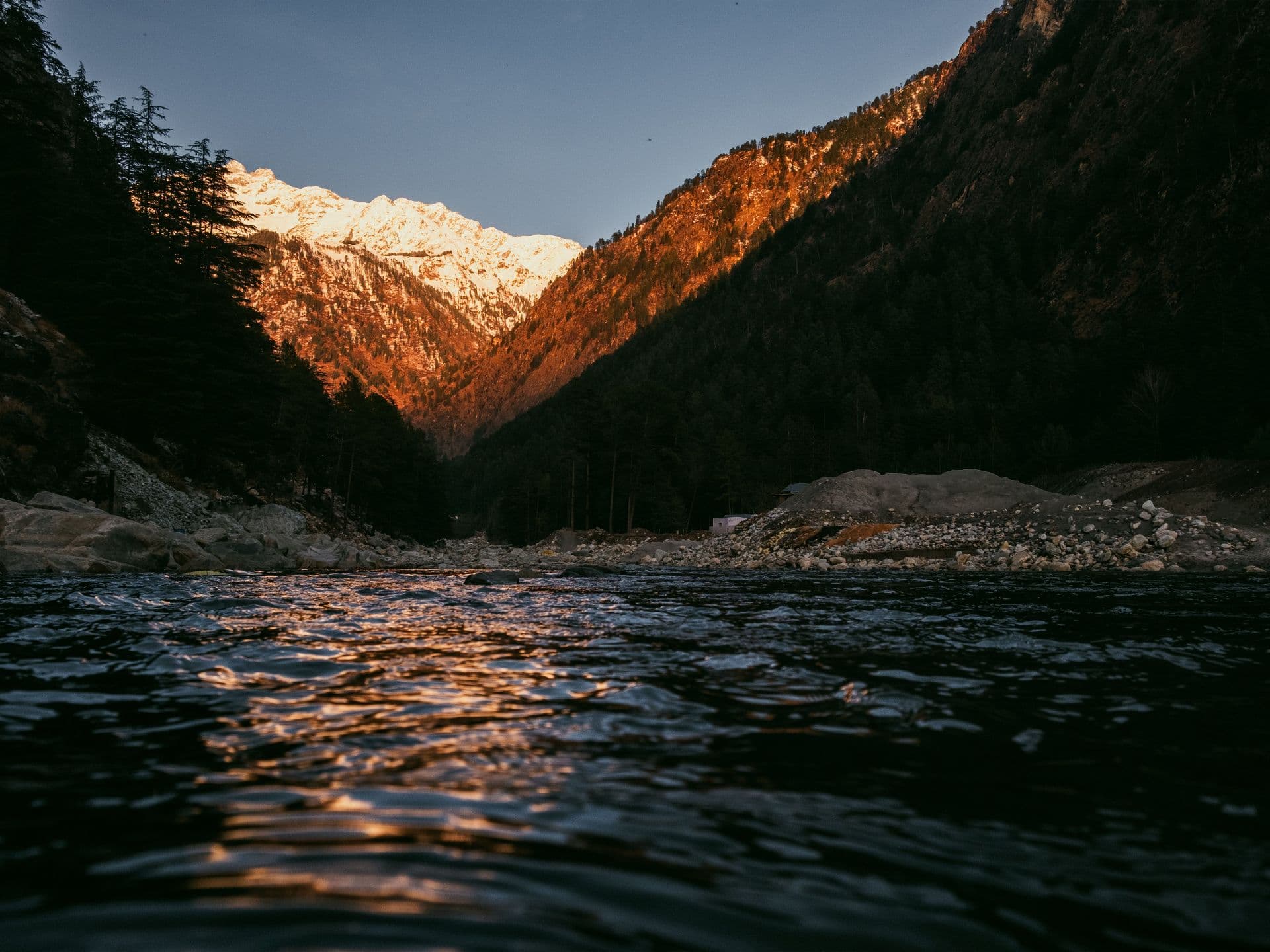
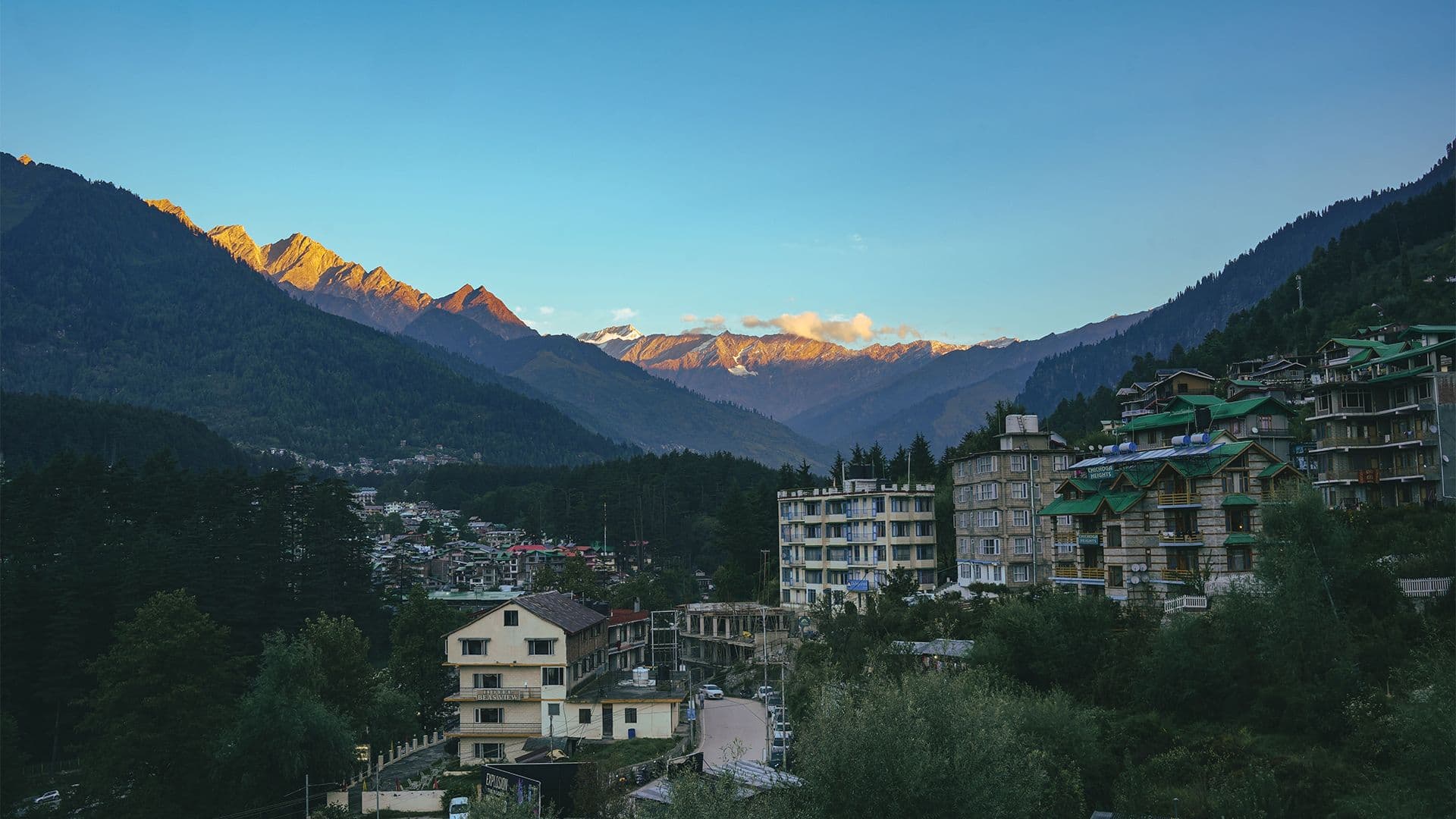
Live Himachal departures from hosts (Kasol & Tosh, Jibhi), to compare inclusions and pricing. The Kasol & Tosh Getaway runs close to the sample route, and the Tosh page lists every departure there:
Escapes to Tosh & Jibhi
GST and Udyam: what applies at your size
As of October 2026, most first-year organisers sit below the GST line, but you'll reach it faster than you think.
The threshold. A service business needn't register for GST until its all-India aggregate turnover crosses ₹20 lakh a year, or ₹10 lakh in Manipur, Mizoram, Nagaland and Tripura, according to CBIC's GST registration flyer. The same guide says service suppliers selling through e-commerce operators keep that threshold, and lists the categories that must register regardless of turnover.
Turnover is what travellers pay, not your profit. At ₹90,000 a departure, the 23rd departure in a year takes the sample trip past ₹20 lakh.
The rate. The GST Council's 2017 rate schedule for services lists tour operators' services at 5% with no input tax credit. That schedule dates from the May 2017 Council meeting and rate notifications have been amended since, so have a chartered accountant confirm the current entry and its conditions before you print a price.
Udyam. As of October 2026, MSME registration on the official Udyam portal is free, paperless and based on self-declaration. It's optional. The portal itself warns about look-alike sites that charge a fee.
State registration, permits and insurance
There's no single national licence for weekend trips; state rules apply.
Himachal Pradesh: what the Act says. The HP Tourism Development and Registration Act, 2002 defines a travel agent as anyone making travel arrangements for tourists for money, including transport and lodging. Section 26 bars carrying on that business without registration. Section 27 does the same for adventure sports operators, and the Act lists trekking as an adventure sport. Section 43 makes adventure operators provide insurance cover to participants. Under section 46 as first enacted, operating without registration was punishable with up to six months in jail or a fine of up to ₹10,000, plus a daily fine.
Himachal Pradesh: where to register. A paid Kasol weekend that bundles buses and stays fits that definition, so register first. The state's District Tourism Development Officers in Shimla, Solan, Mandi, Kullu, Kangra and Chamba register travel agencies, according to the Department of Tourism; for Kasol, start with the Kullu office. A 2023 amendment to the Act, assented in February 2024, replaces that jail term and fine with a fine of ₹1 lakh and adds home stays to the units that must register. The state's Home Stay Rules, made under that amendment, were notified on 25 June 2025, and unregistered home stays face the ₹1 lakh fine, The Tribune reported on 6 August 2025. Treat both as in force, confirm with the Kullu office, and prefer registered homestays.
Uttarakhand. Draft trekking regulations would make every agency and operator offering treks register for five years, and require trekkers to submit insurance and a medical certificate. ETV Bharat reported on 25 January 2026 that they awaited approval; we found no final notification as of October 2026.
Karnataka forest treks are booked on the state's Aranya Vihaara portal; see our Karnataka trek booking guide.
Trail rules and vehicles
Some rules come from a single trail or from the vehicle you hire, not from your registration.
Trail orders. As of the July 2024 forest-department order, still the latest we found in October 2026, Kheerganga is a day trek only: reach the top by 10 am and leave by 2 pm, The Tribune reported on 10 July 2024. Confirm at the Barshaini checkpoint before you sell a Kheerganga day.
Vehicles. Hire tempo travellers that carry a tourist permit, and ask to see it. An All India Tourist Permit under the All India Tourist Vehicles (Permit) Rules, 2023 is issued online and is valid across India, and rule 10 says the vehicle must carry a list of the tourists on board, so give the driver your passenger list. For transfers inside one state, ask which permit the vehicle holds.
What goes wrong, and who pays
Four things decide whether a departure loses money or goes badly.
Late dropouts. A traveller cancels five days out. On GoWeekender, one platform-wide cancellation policy covers every booking, with refunds tiered by how many days before departure the traveller cancels. Each escape shows its tiers in the app, on the trip page and again at payment. As of October 2026, a cancellation five days before departure gets no refund, so the seat stays paid; the booking convenience fee is never refunded. If you sell on your own, publish one before taking a single rupee.
No-shows. The platform policy gives no refund for no-shows. Your homestay still bills you for the empty bed, which is why the minimum group matters.
You cancel. A road is shut or the forecast turns. If a host cancels a departure on GoWeekender, every confirmed traveller is refunded the full trip cost through Razorpay automatically, and any advance already released to you is recovered. The platform policy also gives travellers a full refund when natural calamities or government advisories stop a trip. Either way, what you've already paid suppliers is your cost, so negotiate advances you can move to another date.
Someone gets hurt. You're the person in charge, and the first questions after an incident will be about your registration, permits and insurance. Keep a headcount at every stop, carry emergency contacts for each traveller, know the nearest hospital on the route, and, as a rule of thumb, bring a second leader if more than about ten people will be on a trail. In the sample, the local guide on the walking day is that second leader.

Your travellers will be thinking about safety too. Our guide to travelling safely with strangers is written for them.
How hosting on GoWeekender works
GoWeekender is a marketplace: you run the trip, and the app brings travellers and handles payments. This is how it works as of October 2026.
Request a callback. There's no open sign-up form on the host portal. The team walks you through it, verifies you, and after that you sign in with Google.
KYC. Aadhaar for identity, your PAN and the bank account payouts go to. A GST number is needed only if you're registered. Individuals can host; you don't need a company. You accept the commission agreement during onboarding; ask for a copy in writing.
Build a package. Itinerary, inclusions, photos, price per head, and as many departure dates as you like on one itinerary.
Take bookings. As of October 2026, starting or joining a tribe requires an ID check; booking a seat on an escape does not. Everyone pays through Razorpay, and tribes of 2 to 10 travellers get a payment link for each member. You can message booked travellers before the trip.
Get paid. On the standard schedule, the host portal says "Half the booking amount reaches your bank as an advance the day before the trip departs", and the rest settles once the trip completes. Some hosts have different agreed terms.
Fees. The host portal says there's no subscription fee through February 2027, and the platform takes a commission on confirmed bookings. After the launch phase, the portal says, a nominal platform fee will apply. Your commission rate is set in your agreement, so put it into your cost sheet.
Your first paid departure in six steps
Pick a route you've led twice, in the season you'll sell it. A short trip from your own city, with fewer nights on the road, keeps your costs and your risk low.
Run it once more at cost for friends of friends, keeping every receipt. That's your real cost sheet.
Price at your minimum group, add 5% contingency, then add commission and GST.
Book suppliers who'll move an advance to a new date rather than forfeit it.
Register where you operate. In Himachal, that's before you sell. Track your turnover against ₹20 lakh.
List it, then tell your club. Early departures fill slowly, so your existing group is your first marketing.
Two places to find your first paying travellers:
People who already trust you. Your club's WhatsApp group, college or office alumni lists, and friends of past trip-mates. Offer past travellers first pick of seats on the next date.
A listing travellers already browse. On GoWeekender, a published escape shows up in the traveller app, where solo travellers book seats and tribes look for a host.
If you're still at the stage of organising friends, our piece on planning a group trip with friends covers deposits and splitting costs before money changes hands.

Frequently asked questions
Do I need a licence to become a trip organiser in India?
There's no single national licence for running weekend trips, but states set their own rules. Himachal Pradesh requires travel agents and adventure sports operators, including trekking operators, to register under its 2002 tourism Act. Uttarakhand has drafted similar rules for trekking. Check with the tourism department of every state you'll operate in before selling seats.
Do I need GST registration to run paid group trips?
Usually only once your all-India turnover crosses ₹20 lakh a year, or ₹10 lakh in Manipur, Mizoram, Nagaland and Tripura, according to CBIC's GST registration flyer. Turnover means what travellers pay you, not your profit. Some categories must register regardless of turnover, so have a chartered accountant check your setup.
What GST rate applies to tour packages?
The GST Council's 2017 rate schedule lists tour operators' services at 5% with no input tax credit. Rate notifications have changed since that schedule was approved, and the rate depends on conditions in your invoice, so confirm the current position with a chartered accountant before pricing.
How much does a trip organiser earn per weekend?
It depends almost entirely on group size and price. In our illustrative Kasol example, a ₹7,000 seat leaves about ₹7,350 with twelve travellers and breaks even at nine; a ₹7,500 seat leaves about ₹13,350 with twelve. Both are before commission and income tax, and your own quotes will differ.
How many travellers should my first paid trip have?
Enough to cover your shared costs with a margin, and no more than you can supervise. Work out your break-even from your cost sheet, set a minimum a little above it, and as a rule of thumb bring a second leader if more than about ten people will be on a trail.
What happens on GoWeekender if a traveller cancels or doesn't show up?
One platform-wide cancellation policy applies to every booking, with refunds tiered by how many days before departure the traveller cancels. Hosts don't write their own. The policy gives no refund for no-shows, and the booking convenience fee is never refunded. Each escape shows its current tiers in the app before a traveller pays, so read them there before you finalise your costing.
How do hosts get paid on GoWeekender?
Travellers pay through Razorpay when they book. On the standard schedule, the host portal says "Half the booking amount reaches your bank as an advance the day before the trip departs", and the rest settles once the trip completes. Some hosts have different terms agreed with the team.
What does GoWeekender charge hosts?
As of October 2026, the host portal says there's no subscription fee through February 2027 and the platform takes a commission on confirmed bookings; after the launch phase a nominal platform fee will apply. The commission rate is set in the agreement you accept during onboarding, so ask for it in writing and add it to your cost sheet.
Can I host on GoWeekender without a company or a GST number?
Yes. Onboarding accepts individuals as well as companies and partnerships. You need Aadhaar, a PAN and a bank account for payouts. A GST number is asked for only if you're registered.
Do I need insurance to run group treks?
In Himachal Pradesh, the 2002 tourism Act requires registered adventure sports operators, which includes trekking, to provide insurance cover to participants. Uttarakhand's draft trekking rules would also ask trekkers for insurance. Elsewhere, speak to an insurer about group accident cover before your first paid trek.
Ready to host your first paid departure?
Hosts list escapes and manage departures and bookings on the GoWeekender host portal.
Request a host callbackSee how travellers book
Browse live escapes and tribes the way your travellers will.
Get the appGoing with friends? Send it to the group.

Written by
GoWeekender Team
We're the team building GoWeekender, the app that matches verified travellers across India by vibe, budget and pace. We write about what we learn planning group trips.
First published · Updated


